Sewer Line Repair for Grapevine Homeowners
Request your estimate today
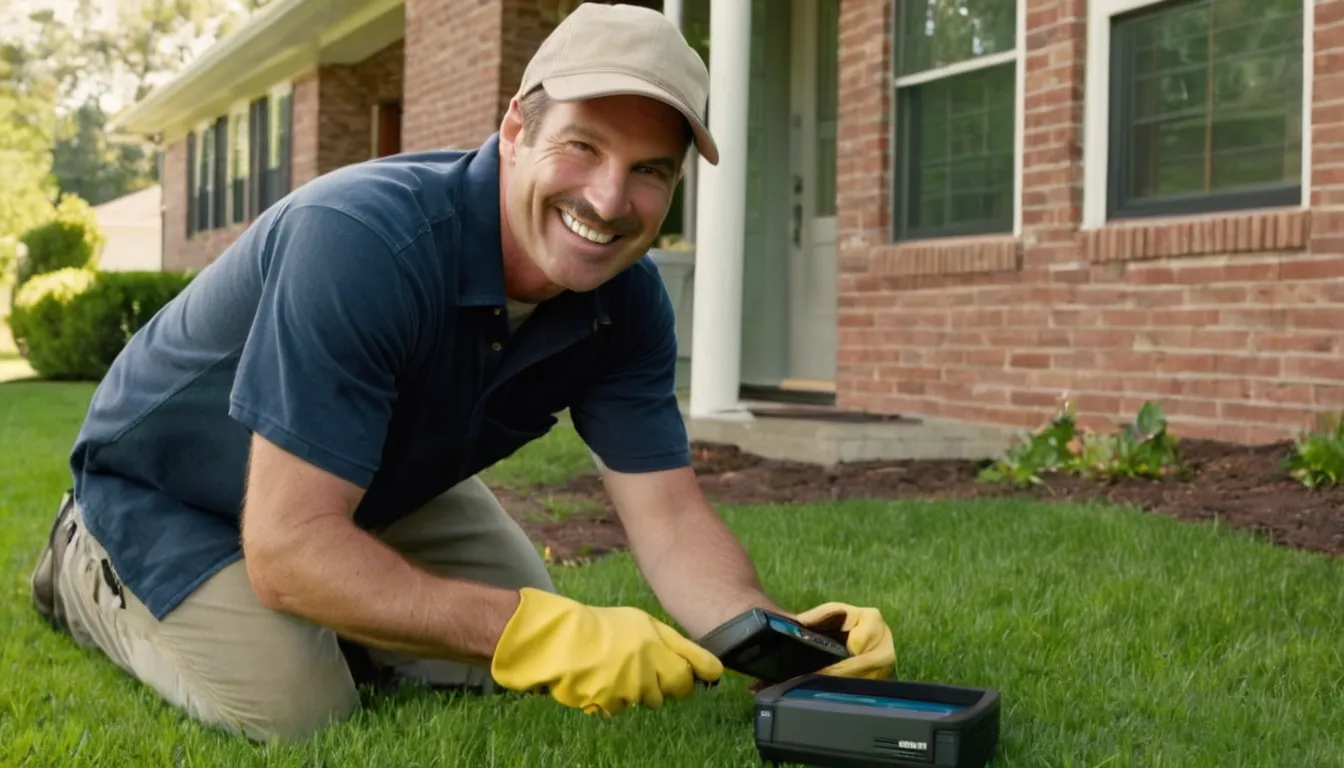
A sewer line carries all the wastewater from your home out to the main sewer or your septic system. When it cracks, clogs, or shifts, wastewater has nowhere to go. It can back up into your home or soak into your yard.
Januaryhistory Septic is a referral service. We do not do the repair work. We connect homeowners in the Grapevine area with independent local providers who inspect, diagnose, and repair sewer lines. Each provider in our network runs its own business and sets its own schedule and pricing.
This page explains the early warning signs of a failing line, what you can safely do yourself, and what to leave to a professional with the right equipment. You will also find typical price ranges and questions to ask before work starts. When you are ready, you can request an estimate and a local provider will follow up with you.
Sewer Backup? Do This First
If wastewater is coming up through a floor drain, tub, or toilet, treat it as a health risk. Sewage can carry bacteria and germs.
Do this:
- Stop using water. No flushing, laundry, dishwasher, or showers.
- Keep children and pets away from the affected area.
- Open windows for air if it is safe.
- Wear rubber boots and gloves if you must enter the room.
- Take photos for your records.
Do not do this:
- Do not pour harsh chemical drain cleaners into a backed-up line.
- Do not mix cleaning products. Some mixes make toxic fumes.
- Do not touch standing sewage with bare hands.
- Do not run a rented drain machine if you are unsure what you are doing.
Why Backups Are Not Always the First Sign
A full backup is the loud end of the story. Most sewer lines send quiet messages for weeks or months before that. Small signs matter, and the sooner you read them, the smaller the repair tends to be.
Early Signs of a Sewer Line Problem
Watch for these clues:
- Several drains run slowly at once, not just one sink.
- Gurgling sounds from toilets or tubs after you use water elsewhere.
- A sewer smell inside the house or near one part of the yard.
- Lush, extra green grass in a strip or patch.
- Soft, soggy, or sunken ground along the pipe path.
- Small cracks in a slab or walls, or doors that start to stick.
- Rodents or insects appearing near drains or the yard.
One sign may be a simple clog. Two or three together deserve a professional look.
Check the Easy Things First
Before you request help, see whether only one fixture is slow. If it is, the clog is probably in that drain's own pipe. A plunger is a safe tool here. If every drain is slow, the main line is the likelier cause.
What Damages Sewer Lines
Sewer pipes fail for a few common reasons.
Tree Roots
Roots reach for moisture and slip into tiny joint gaps. They grow into thick mats that catch paper and waste.
Age and Pipe Material
Older clay, cast iron, and fiber pipes can crack, flake, or collapse. Newer plastic pipe holds up better but can still shift or separate at joints.
Shifting Soil and Heavy Rain
Our hot, humid summers dry soil out. Then heavy downpours and tropical storms soak it again. This swing can move soil around a pipe and pull joints apart. Homes on slabs have lines under the foundation, so movement there matters more. Older pier-and-beam houses may have lines that sag between supports.
Grease and Flushed Items
Grease hardens inside pipes. Wipes labeled flushable do not break down like paper. Both build clogs over time.
When Heavy Rain Makes It Worse
During storm season, ground water can seep into cracked lines. The line fills, and backups show up after big rains. If problems follow storms every time, mention that to the provider. It helps them find where water gets in.
DIY or Pro: Where the Line Is Drawn
What You Can Safely Do
- Use a plunger on a single slow fixture.
- Pour hot, not boiling, water with dish soap to loosen light grease in a kitchen drain.
- Find your cleanout cap and note where it is. Do not open it if the line is backed up.
- Keep a written log of when problems happen.
- Clear leaves and debris away from outdoor cleanouts.
What to Leave to a Provider
- Digging near a sewer line. You could hit a gas, water, or power line.
- Camera inspections of the line.
- Cutting roots inside the pipe.
- Anything under a slab.
- Any job that involves standing sewage.
Professional gear can see inside the pipe and pinpoint the break. That avoids guessing and digging in the wrong place.
How Sewer Line Repair Works
Providers in our network usually start with a camera inspection. A small camera on a cable travels through the pipe and shows cracks, roots, bends, or sags.
From there, the options often include:
- Cleaning or jetting to clear roots and buildup.
- Spot repair where one section is damaged.
- Trenchless lining or pipe bursting, which can repair or replace pipe with less digging.
- Open-trench replacement when the pipe is badly collapsed or the path needs a new grade.
The right choice depends on pipe condition, depth, and what sits above it.
Permits and Property Lines
Some repairs need a local permit and an inspection. Rules differ by town and county.
Ownership also varies. In many places, you own the pipe from the house to the property line or the main. In others, you own it all the way to the connection. Ask the provider and your local utility who is responsible for each section. If your home uses a septic system, the line leads to a tank instead of a city main.
Insurance and Documentation
Some policies may cover sudden damage, but many exclude wear, roots, or aging pipe. Check your policy. Providers can often help document damage for a claim. Keep photos and written notes.
Restoring Your Yard
Ask before work starts how the provider will handle the lawn, driveway, or landscaping. Trenchless methods disturb less ground. Open trenches usually need backfill, compaction, and new sod. Ask who handles patching concrete or paving, since that can be a separate trade.
Keeping Your Sewer Line Healthy
- Flush only toilet paper and human waste.
- Wipe grease from pans into the trash.
- Know where large tree roots run, and think twice about planting near the line.
- Keep heavy vehicles off the path of the pipe.
- Schedule a camera check if your home is older or you see early signs.
Questions to Ask the Provider
- Will you use a camera, and can I see the footage?
- What are my repair options and their pros and cons?
- Is a permit needed, and who handles it?
- What will the written quote include?
- How will you restore the yard afterward?
Getting two written quotes can help you compare scope and price.
What's Included
Camera Line Inspection
A small camera travels the pipe to find cracks, roots, sags, and blockages before any digging begins.
Root Clearing
Providers can cut or jet out roots and buildup that restrict flow.
Spot Repairs and Lining
Damaged sections may be patched or relined, which often means less digging in your yard.
Full Pipe Replacement
When pipe has collapsed or failed badly, a provider can replace the affected run.
Typical Sewer Line Repair Costs
Prices vary a lot by pipe depth, length, material, and access. These are typical U.S. ranges only. Always get a written quote for your own situation.
| Service | Typical range | Notes |
|---|---|---|
| Camera inspection | $100 – $500 | Helps find the exact problem |
| Drain jetting or root cutting | $200 – $700 | Clears buildup, may need repeating |
| Spot repair | $1,000 – $4,000 | Depends on depth and access |
| Trenchless pipe lining | $80 – $250 per foot | Less digging, not right for all pipes |
| Pipe bursting | $60 – $200 per foot | Replaces pipe in place |
| Open-trench replacement | $50 – $250 per foot | Yard restoration may cost extra |
How It Works
Tell Us What You See
Share your symptoms and location through the request form so your request reaches a suitable local provider.
Get Matched
A provider in our network reviews your details and reaches out about next steps.
Inspection and Written Quote
The provider inspects the line and explains options and price.
Repair and Cleanup
You approve the plan, and the provider completes the work and tidies up.
Why Call Januaryhistory Septic
Safety Comes First
Clear do and do-not guidance helps you avoid sewage contact and costly mistakes.
Early Signs Explained
Learn what slow drains, smells, and soggy spots can mean before a backup happens.
Local Providers
Independent providers in your area do the work. We simply make the connection.
No Obligation
Request an estimate, compare your options, and decide at your own pace.
Other Services
Need sewer line repair in Grapevine?
Send an estimate request for your Grapevine home. A local provider in our network will follow up, with no obligation to hire.
No obligationSewer Line Repair FAQ
How do I know if my sewer line is damaged?
Common signs include several slow drains at once, gurgling, sewer odors, soggy or unusually green patches in the yard, and backups. A camera inspection by a provider can confirm the cause.
Can I fix a sewer line myself?
Plunging a single drain is fine. Digging, cutting pipe, or working under a slab is risky. Those jobs are better left to a professional with the right equipment and local permit knowledge.
Does homeowners insurance cover sewer line repair?
Some policies may cover sudden damage, but many exclude wear, roots, or aging pipe. Check your policy and ask your insurer. Providers can often help document damage for a claim.
Reach a local provider
Send an estimate request for your Grapevine home. A local provider in our network will follow up, with no obligation to hire.
No obligation