Septic Tank Pumping for Homeowners
Request your pumping estimate
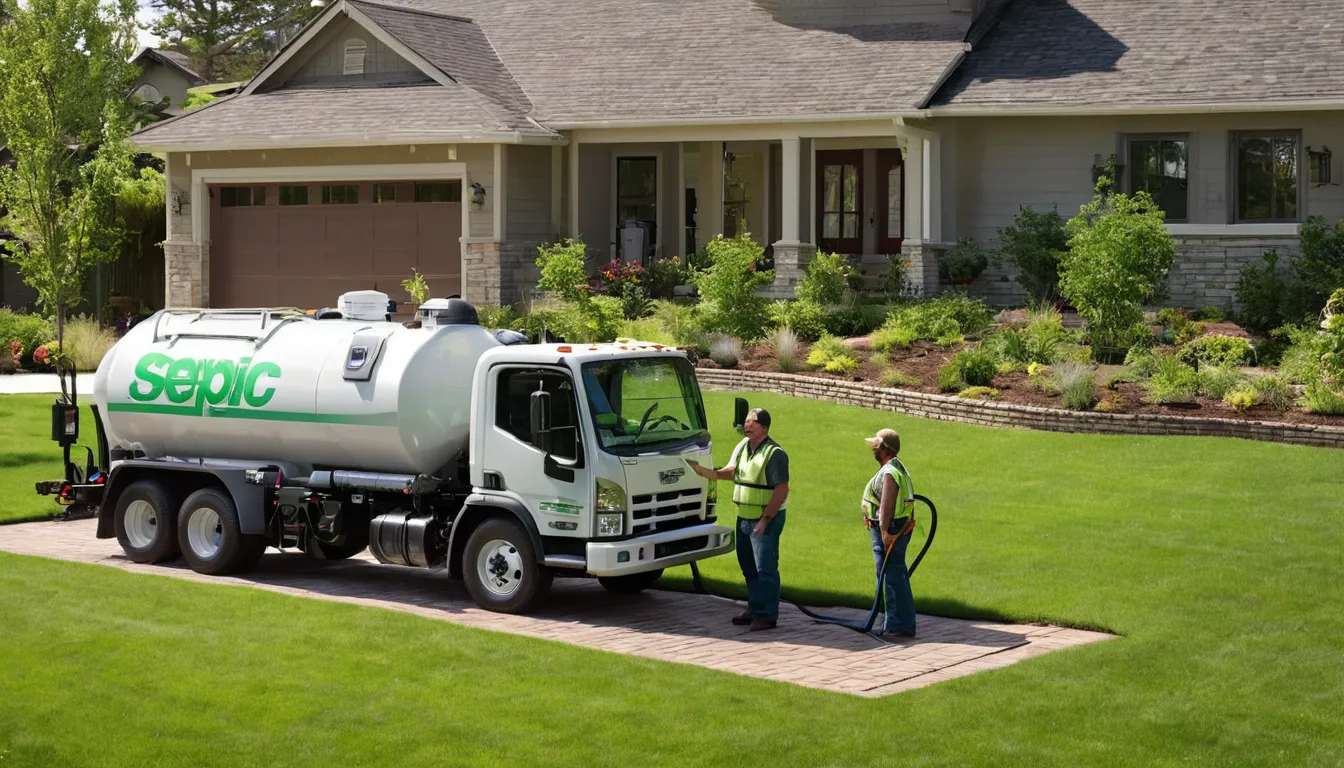
Septic tank pumping removes the sludge and scum that build up inside your tank. When those layers get too deep, solids can slip out toward the drainfield. That is how a simple maintenance job turns into a major repair.
Januaryhistory Septic is a referral service. We do not pump tanks. We connect homeowners in the Grapevine area with independent local providers who do. This page explains the early signs of a full tank, what is safe for you to do, and what to leave alone. Then you can request an estimate with no obligation and compare your options with confidence.
Signs Your Tank May Be Full
Small signs matter. Most full tanks speak up before they fail. Watch for these:
- Drains that gurgle or run slowly in more than one room
- Toilets that flush weakly or bubble
- A sewage smell near the tank lid or the yard
- Grass over the tank or drainfield that is greener or wetter than the rest
- Soft, soggy ground when it has not rained
One slow drain is often a plain clog. Several symptoms together point toward the tank.
Do This, Not That
If you see a sign, act calmly.
- Do spread out laundry and keep showers short to lower the water going in.
- Do keep kids and pets away from wet or smelly spots.
- Do write down what you see and when it started.
- Do not pour chemical drain cleaners or tank additives into the system hoping to fix it.
- Do not drive or park over the tank or drainfield.
- Do not keep running water to "test" the problem.
Never Open the Tank Yourself
A septic tank holds harmful gases and very little oxygen. A broken or heavy lid can also be a fall hazard. Leave every lid closed. Only a trained provider with the right gear should open it.
When It Turns Urgent
Sewage in a tub, a floor drain or the yard is not a wait-and-see problem. Stop using water in the house. Keep people and pets out of the wet area. Do not try to clean up raw sewage with bare hands.
Some providers offer emergency septic cleaning. Availability varies by provider and by day. Request a callback to check provider availability, or send the request form and note that sewage is backing up.
Downpours and Storm Season
In hot, humid regions, heavy rain can soak the ground around a drainfield. Wet soil cannot absorb much more water. A tank that is already near full has less room to cope, so backups tend to show up after big storms.
If you know the tank is overdue, schedule pumping before storm season, not during it. Ask the provider about timing if the ground is flooded. In very wet soil, an empty tank can need extra care.
Why Regular Pumping Matters
Inside the tank, heavy solids sink and form sludge. Grease and light solids float as scum. Liquid in the middle flows out to the drainfield. When the sludge and scum layers get too thick, solids travel with that liquid and clog the soil.
A clogged drainfield is slow to heal and costly to fix. Pumping is a routine job by comparison. That is why it is the cheaper choice over the years.
How Often Should You Pump?
A common rule is every three to five years. Your own schedule depends on a few things:
- Tank size and number of people in the home
- Heavy water use, such as many loads of laundry
- A garbage disposal, which adds more solids
- The age and condition of the system
If you do not know when it was last pumped, assume it is due and ask a provider to check.
What a Pumping Visit Looks Like
The provider finds the tank and uncovers the lid if it is buried. Many slab-on-grade homes have tanks tucked under lawns, so a probe or a map from old records helps. The provider then opens the access lids, pumps out the liquid and solids, and hauls the waste away.
A good visit also includes a quick look at the baffles, the tank walls and the liquid level. Anything odd should be explained to you plainly.
What You Can Do and What to Leave Alone
You can help in safe ways. Dig up old permits and past pumping receipts. Mark where the tank lid sits. Clear brush, pets and toys from the work area. Keep the driveway open for the truck.
Leave the rest to the pro. That means opening lids, pumping, handling waste and judging the inside of the tank. Those jobs need special equipment and safety training.
Homes With a Water Well
If your property also has a private well, tell the provider. Keep tanks and drainfields a safe distance from the well. If you see backups or suspect leaks, ask whether water well service or a water test makes sense. Do not drink water you think may be affected until it is tested.
Buying or Selling a Home
A septic tank is often part of a home inspection. Pumping first lets the inspector see inside a clean tank. Sellers may gain peace of mind from having records in hand. Buyers can learn the tank's condition before closing.
Care Between Pumpings
- Flush only toilet paper and human waste.
- Keep grease, wipes and coffee grounds out of drains.
- Fix leaky toilets and faucets.
- Plant only grass over the drainfield, not trees.
- Keep a simple log of every service.
Questions to Ask the Provider
- What does the estimate include, and is the quote in writing?
- How big is my tank, and how will you find it?
- Will you check the baffles and the liquid level?
- Do you give me a service record afterward?
- How soon can you come out, given my situation?
You are never required to accept an estimate. Compare, ask questions, and pick the provider that feels right.
What's Included
Tank Pumping
Provider removes liquid, sludge and scum from the tank and hauls the waste away for proper disposal.
Lid Location
Providers can find and uncover buried access lids, so the tank is easy to reach.
Baffle and Tank Check
Many visits include a look at the baffles, walls and liquid level for visible problems.
Service Notes
Ask the provider to record what was found, so you have a clear history for future pumpings.
Typical Septic Pumping Costs
Prices vary by tank size, access, location and how full the tank is. These are typical U.S. ranges only. Always ask for a written quote before work begins, so there are no surprises.
| Item | Typical range | Notes |
|---|---|---|
| Standard pumping (1,000 gal) | $300 – $600 | Common for smaller homes with easy access |
| Large tank pumping (1,500+ gal) | $450 – $900 | Bigger tanks take more time and haul volume |
| Digging to buried lid | $75 – $300 | Needed when lids are under soil or turf |
| Riser and lid install | $250 – $700 | Makes future pumping faster and easier |
| Emergency or after-hours visit | $500 – $1,200 | Rates and availability vary by provider |
| Tank inspection with pumping | $350 – $800 | Often requested for home sales |
How It Works
Spot the Sign
Notice slow drains, odors or soggy ground, and cut back water use while you wait for help.
Send a Request
Fill out the form to request an estimate, with no obligation.
Provider Reaches Out
A local provider in our network contacts you to discuss your tank and timing.
Pumping and Records
The provider pumps the tank, checks what is visible, and shares notes on what was found.
Why Call Januaryhistory Septic
Safety First
Providers use the right equipment and safety steps around toxic gases, heavy lids and raw waste, which homeowners should avoid.
Protect Drainfield
Pumping on time keeps solids out of the soil, which helps avoid costly repairs.
Fewer Backups
A tank with room to spare is less likely to push waste into your home.
Clear Records
A written service history helps with home sales and future planning.
Other Services
Need septic tank pumping in Grapevine?
Send an estimate request for your Grapevine home. A local provider in our network will follow up, with no obligation to hire.
No obligationSeptic Tank Pumping FAQ
How do I know if my septic tank needs pumping?
Slow drains, gurgling pipes, odors and soggy spots over the tank are common signs. If you cannot recall the last pumping, it is wise to have a provider check.
Is it safe to open my septic tank lid myself?
No. Tanks hold harmful gases and can be a fall hazard. Keep lids closed and let a trained provider with proper equipment open and pump the tank.
Can I get emergency septic cleaning when sewage is backing up?
Some providers offer it, but availability varies. Stop using water, keep people away from the spill, and submit a request or request a callback to check provider availability.
Reach a local provider
Send an estimate request for your Grapevine home. A local provider in our network will follow up, with no obligation to hire.
No obligation